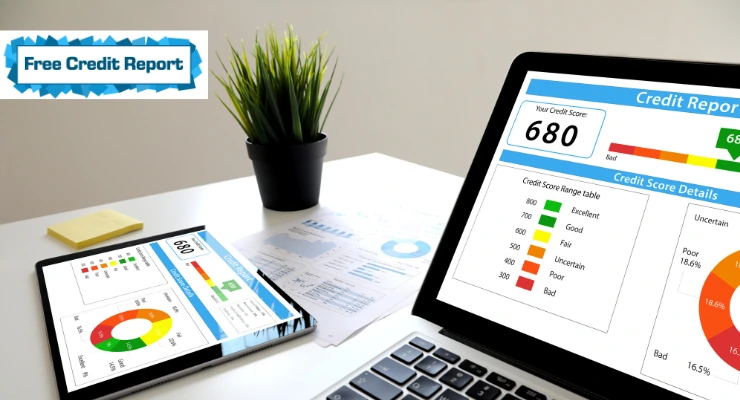
Choosing the right approach to get your free credit report online starts with clear context, practical filters, and realistic expectations.
Introduction to Free Credit Reports
Obtaining a free credit report is a crucial step in managing your financial health. Your credit report contains information about your credit history, including payments, accounts, and credit inquiries. By law, you are entitled to one free credit report from each of the three major credit reporting agencies (Experian, TransUnion, and Equifax) every 12 months.
Why You Need a Free Credit Report
Regularly checking your credit report helps you identify errors, detect signs of identity theft, and track changes in your credit score. A good credit score can lead to better loan rates, lower credit card interest rates, and even affect your ability to rent an apartment or get a job.
Common Mistakes to Avoid
When requesting your free credit report, be cautious of websites that charge a fee or ask for sensitive information. Stick to reputable sources, such as AnnualCreditReport.com, which is the only authorized website for free credit reports.
Where to Get Your Free Credit Report
You can request your free credit report from the following sources: - AnnualCreditReport.com: The official website for free credit reports from the three major credit reporting agencies. - Experian: Offers free credit reports and credit scores, along with credit monitoring services. - TransUnion: Provides free credit reports and credit scores, as well as identity theft protection. - Equifax: Offers free credit reports and credit scores, along with credit monitoring and identity theft protection. - Credit Karma: A free online service that provides credit reports, credit scores, and credit monitoring. - Credit Sesame: Offers free credit reports, credit scores, and credit monitoring, along with personalized credit recommendations.
Understanding Your Credit Report
Once you have obtained your free credit report, it's essential to understand what information it contains. Your credit report typically includes: - Personal information: Your name, address, and employment history. - Credit accounts: A list of your credit accounts, including credit cards, loans, and mortgages. - Payment history: A record of your payments, including late payments and accounts sent to collections. - Credit inquiries: A list of companies that have requested your credit report. - Public records: Information about bankruptcies, foreclosures, and other public records.
How to Dispute Errors on Your Credit Report

- If you find errors on your credit report, you have the right to dispute them. Here's a step-by-step guide:
- Identify the error: Carefully review your credit report to identify any errors or inaccuracies.
- Gather documentation: Collect any relevant documents that support your dispute, such as receipts, bank statements, or court records.
- Contact the credit reporting agency: Reach out to the credit reporting agency and submit your dispute, along with any supporting documentation.
- Follow up: Monitor your credit report to ensure the error has been corrected.
The Importance of Credit Monitoring
Credit monitoring is an essential tool for protecting your financial health. By regularly monitoring your credit report, you can: - Detect signs of identity theft - Track changes in your credit score - Receive alerts about new credit inquiries or accounts
Free Credit Report Tools and Services
Here are some
- free credit report tools and services:
- Credit Karma: Offers free credit reports, credit scores, and credit monitoring.
- Credit Sesame: Provides free credit reports, credit scores, and credit monitoring, along with personalized credit recommendations.
- CreditCards.com: Offers free credit reports, credit scores, and credit card recommendations.
- NerdWallet: Provides free credit reports, credit scores, and financial tools, along with personalized credit recommendations.
- WalletHub: Offers free credit reports, credit scores, and credit monitoring, along with personalized credit recommendations.
Conclusion
Obtaining a free credit report is a simple and essential step in managing your financial health.
By regularly checking your credit report and monitoring your credit score, you can protect yourself from identity theft, track changes in your credit score, and make informed financial decisions.